Seafarers Hospital Society has developed and implemented a number of exciting health development projects, and innovative pilot programmes. Here are details of six of those past projects.
Feminine Hygiene Project
SHS launched a pilot project to provide women working at sea with free feminine hygiene products. Making up just 2% of the world’s maritime workers, most women seafarers are employed in the cruise or ferry sectors. A lack of menstrual hygiene products can contribute to stress and discomfort, and make it challenging for women to perform their duties onboard.
Women seafarers are often confined to a limited supply of menstrual health products, such as tampons and sanitary towels, for the duration of their employment contract. Despite their efforts to prepare accordingly, short notice contract extensions, lengthy voyages, and restrictions on shore leave can all contribute to a lack of access or an insufficient supply of these products. Menstrual products may also be bulky and expensive, making buying and packing large quantities unfeasible for some. Female seafarers may find it difficult to approach management or other crew members for assistance in shipping’s male-dominated workspaces, and cultural factors may also contribute further to this hesitation.
The project is intended to address a gap in many existing facilities and welfare provisions onboard vessels and in ports, which are often designed with the needs of male seafarers in mind and therefore fail to account for the specific healthcare requirements of women. The project is funded by a £25,000 grant provided by the TK Foundation and The Seafarers’ Charity and will be launched at the London International Cruise Terminal and at the Port of Tilbury, in partnership with the QVSR London Tilbury Seafarer Centre.


Emergency Dental Grant Scheme
The shortage of NHS dental appointments has impacted people on low incomes hardest, meaning they are less likely to have dental treatment than those on higher incomes which essentially is driving health inequalities higher. Nationally there is limited funding for the provision of NHS dentistry, in Cornwall alone there are at least 48,000 patients waiting for an NHS dental appointment. Many people can sometimes wait for years before their name comes to the top of that list and once it does, it doesn’t necessarily mean they will be seen close to where they live – sometimes the NHS spaces that become available are elsewhere in the county. This is especially difficult for seafarers as they may not be able to make the appointment due to being at sea and many cannot afford the immediate costs of private treatment.
That is why SHS have set up an Emergency Dental Grant Scheme, funded by the MNWB, for working MN seafarers and fishermen who need urgent dental treatment which they cannot access on the NHS.

Brighter Smiles (Cornwall)
Working as a seafarer is one of the UK’s most challenging jobs, and the number of work-related injuries is high, caused by the physical demands and repetitive nature of work as a seafarer. Time spent at sea means it can be difficult to get treatment, so the Seafarers Hospital Society supports free, fast-track physiotherapy for working seafarers.
Following the COVID-19 pandemic, it has become increasingly difficult for seafarers to access physiotherapy from the NHS due to the length of waiting lists for NHS treatment.
SHS has been funding fast-track physiotherapy sessions for seafarers, but the demand for these has increased significantly. This project enables us to continue to provide these much needed physiotherapy sessions in order to keep seafarers fit to work at sea. In addition to this, we will expand the size of our existing functioning Network in order to extend the areas in which the service is offered nationally and to help more seafarers access physiotherapy.
As part of this project, SHS produced online videos featuring preventative exercises to reduce injuries and promote increased musculoskeletal health in seafarers.
 BRIGHTER-SMILES
Brighter Smiles — our work in 2024
4,800
Cornish children engaged in oral health programme
120
Children participating in toothbrushing clubs daily
600
Number of oral health education packs funded
Dental Project
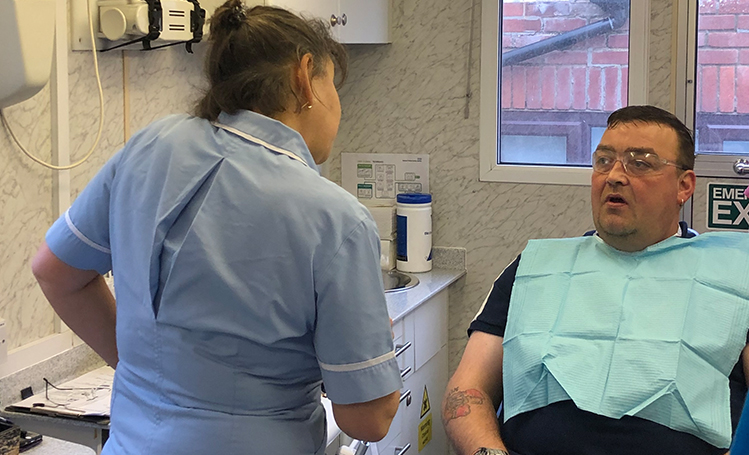
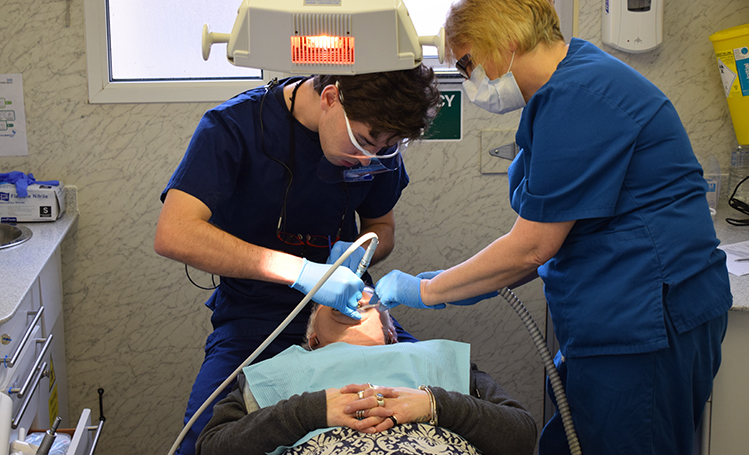
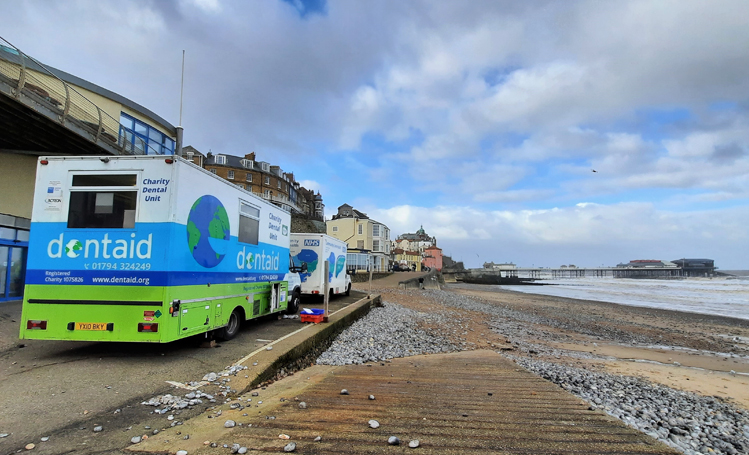
Dental health is just as important as physical and mental health but when seafarers are out at sea it is often not a priority. If they can’t get to see a dentist, or they neglect their teeth it can lead to significant problems later on, that is why the Seafarers Hospital Society has partnered with the Fishermen’s Mission and community dental providers Dentaid and Smile Together, to take dental health services into the fishing community through the SeaFit Programme. We will provide free dental checks and immediate treatment for fishers and their families at a variety of harbourside locations as part of SeaFit health events. Using state of the art mobile dental units, to provide high quality dental care where it’s needed.
Another element of this project is to extend those services to merchant seafarers and visit ports and seafarers’ centres to provide immediate dental care for seafarers from a mobile dental unit. This particular project is funded by the MNWB.

Defibrillator Project
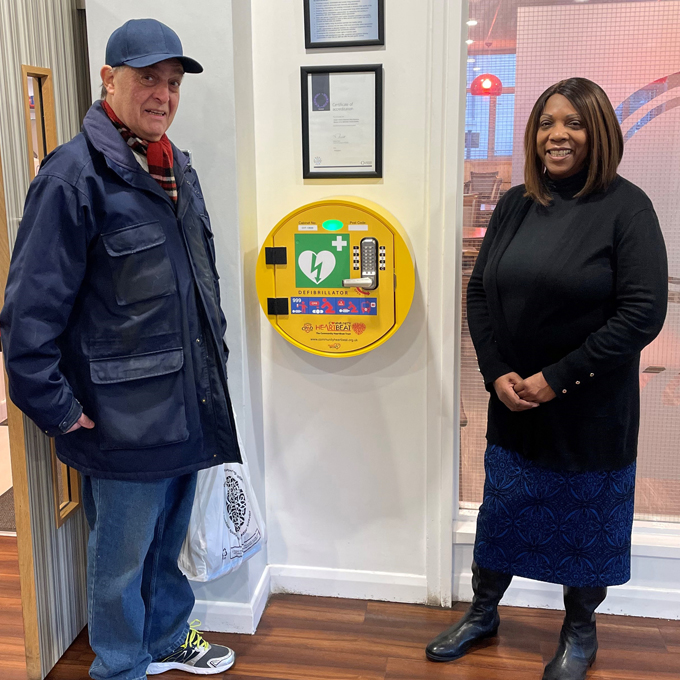
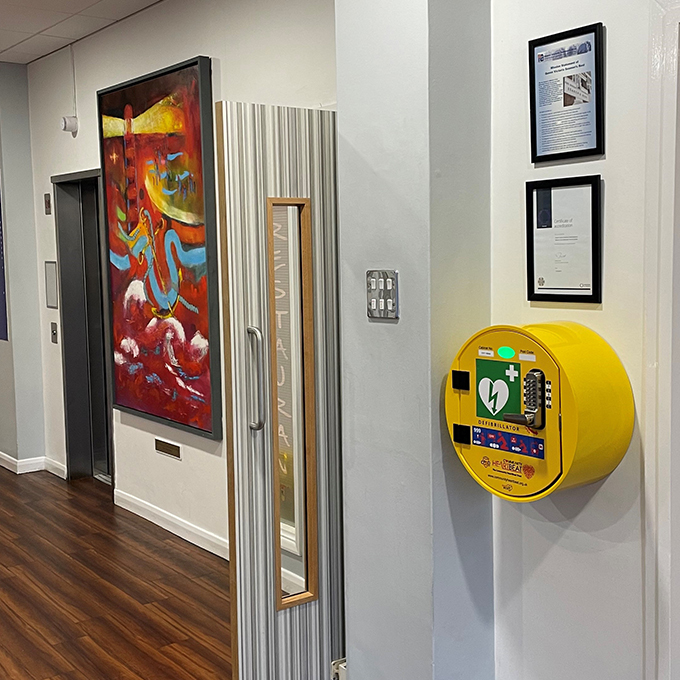
Seafarer physical health, welfare, and mental illness have been regular challenges within the maritime sector. Cardio Vascular Disease is an important area that requires attention and is one of the largest killers at sea. A stopped heart results in lack of oxygenated blood being circulated to the brain, meaning victims may die unless a defibrillator is used immediately. The occurrence of heart attacks and other similar health-related incidents, due to high blood pressure may not be a surprise given the increasing age of seafarers as essentially, common onshore ‘middle-age’ health problems are being taken to sea. According to the British Heart Foundation, the single most influential factor in improving survival is treatment with a life-saving defibrillation shock from an AED. Conditions for defibrillation are optimal for only a few minutes after the onset of VF and the best way of ensuring prompt defibrillation is having an AED nearby:
Using an AED is easy and can cause no harm; the Resuscitation Council (UK) states – “An AED [defibrillator] can be used safely and effectively without previous training” (RCUK Guidelines, 2010). AEDs are compact, portable, effective, require little maintenance and can be stored for long periods.
The national defibrillator database which was rolled out by the NHS clearly shows that the more people who know about defibrillators and how to use them, undoubtedly increases the number of saved lived. Last year an average of 460 people a day died due to heart and circulatory problems, this equates to 170,000 people a year.
This pilot project (which is has since been extended thanks to additional funding) placed 20 AED devices in ports and seafarers’ centres, and run a healthy lifestyle campaign to raise awareness of heart disease. The project is funded by the MNWB.
Norfolk outreach project providing health checks for fishers
The Society collaborated with The Fishermen’s Mission and Norfolk Public Health to provide health checks and advice to fishermen at quayside locations in Norfolk. The project offered an example for other coastal areas with fishing communities to potentially follow. Almost a third of fishers who took part were referred to their GP for further investigations of cardiovascular disease risk, raised blood pressure or cholesterol levels, with many referrals also to the local Health Trainer service for support with lifestyle issues such as smoking, drinking or weight control.

Healthy eating for fishermen
The Society collaborated with The Fishermen’s Mission, Royal National Lifeboat Institution, Maritime and Coastguard Agency and Norfolk NHS, to pilot a project at a number of ports promoting safety, health and wellbeing. This included a particular focus on healthy eating, with a view to encouraging fishers to eat more healthily.
Female seafarers’ health and welfare
In a joint initiative with the International Maritime Health Association, International Seafarers’ Welfare and Assistance Network and the International Transport Workers Federation, this project looked at the health and welfare needs of female seafarers, and how organisations can best improve the information and services available to them.
Better health for older seafarers
This collaborative project involved a health adviser focusing specifically on the health needs of former seafarers throughout the Merseyside area, and included the mapping of local health services in partnership with the then local Primary Care Trusts. Lessons from this project were incorporated into case worker training and circulated to local care providers.

Admiral Specialist Dementia Nurse, Wallasey
In collaboration with the Nautilus Welfare Fund, Seafarers Hospital Society funds a specialist dementia nurse based at Mariners’ Park in Wallasey. The nurse provides dedicated support to residents with dementia needs, as well as to those who live in the community. This assistance is also offered to occupational and family carers.

Fitness programmes for older seafarers
A six-month pilot fitness programme was delivered by the Physical Initiative at Care Ashore’s Springbok Estate, resulting in encouraging improvements in the heart health, strength and total body water levels of those taking part. As a result the Society subsequently partnered with Age UK to deliver the ‘Fit as a Fiddle’ programme at a number of seafarers’ residences, and Care Ashore itself has adopted a developing fitness, health and wellbeing programme.
Bridlington fishing community Health Trainer
Sponsored by the Society, NHS Humber had a part-time Health Trainer working directly with fishers and their families in Bridlington and the surrounding area. This was a free service providing one-to-one advice and support on a range of health issues including smoking cessation, healthy eating and alcohol reduction.<!– wp:acf/pagecontent {“name”:”acf/pagecontent”,”data”:{“main_content_content_sections_0_section_title”:”Feminine Hygiene Project”,”_main_content_content_sections_0_section_title”:”field_6051e27831e65″,”main_content_content_sections_0_section_content”:”\u003cp style=\u0022margin: 6.0pt 0cm 0cm 0cm;\u0022\u003eSHS launched a pilot project to provide women working at sea with free feminine hygiene products. Making up just 2% of the world’s maritime workers, most women seafarers are employed in the cruise or ferry sectors. A lack of menstrual hygiene products can contribute to stress and discomfort, and make it challenging for women to perform their duties onboard.\u003c/p\u003e\r\n\u003cp style=\u0022margin: 6.0pt 0cm 0cm 0cm;\u0022\u003eWomen seafarers are often confined to a limited supply of menstrual health products, such as tampons and sanitary towels, for the duration of their employment contract. Despite their efforts to prepare accordingly, short notice contract extensions, lengthy voyages, and restrictions on shore leave can all contribute to a lack of access or an insufficient supply of these products. Menstrual products may also be bulky and expensive, making buying and packing large quantities unfeasible for some. Female seafarers may find it difficult to approach management or other crew members for assistance in shipping’s male-dominated workspaces, and cultural factors may also contribute further to this hesitation.\u003c/p\u003e\r\n\u003cp style=\u0022margin: 6.0pt 0cm 0cm 0cm;\u0022\u003eThe project is intended to address a gap in many existing facilities and welfare provisions onboard vessels and in ports, which are often designed with the needs of male seafarers in mind and therefore fail to account for the specific healthcare requirements of women. The project is funded by a £25,000 grant provided by the TK Foundation and The Seafarers’ Charity and will be launched at the London International Cruise Terminal and at the Port of Tilbury, in partnership with the QVSR London Tilbury Seafarer Centre.\u003c/p\u003e”,”_main_content_content_sections_0_section_content”:”field_6051e28931e66″,”main_content_content_sections”:1,”_main_content_content_sections”:”field_6051e25031e64″,”main_content”:””,”_main_content”:”field_6051e20b31e63″,”sidebar_content_0_image”:4634,”_sidebar_content_0_image”:”field_6051e3a431e68″,”sidebar_content_0_image_caption”:””,”_sidebar_content_0_image_caption”:”field_605318208b067″,”sidebar_content_1_image”:4635,”_sidebar_content_1_image”:”field_6051e3a431e68″,”sidebar_content_1_image_caption”:””,”_sidebar_content_1_image_caption”:”field_605318208b067″,”sidebar_content”:[“image”,”image”],”_sidebar_content”:”field_6051e2be31e67″,”block_theme”:”darkblue”,”_block_theme”:”field_6051fa365f664″,”block_mode”:”has-sidebar”,”_block_mode”:”field_60530d6d3bdbc”},”align”:””,”mode”:”edit”} /–>